
If you’re looking into rehab, there’s a good chance that cost is one of the first things you’ve searched for, and that’s completely understandable. But spend just a moment researching prices online and you’re met with a messy range of figures with not a lot of certainty about whether they apply to you.
Some can seem incredibly expensive with no real explanation of why, while others seem affordable enough to make you question what’s being left out. Rehab services address a wide range of substance abuse issues, including alcohol addiction, and the costs can vary depending on the type of treatment and level of care required.
With this in mind, we’ve put together this page to bring a clearer understanding of what these numbers mean and what goes into them. Most importantly, we’ll help you work out what kind of support fits your specific circumstances, covering different types of rehab services and funding options for various substance abuse issues.
Are there different types of rehab?
Before we get into the cost of rehab, it first helps to understand the different types of rehabs that are available. This is because the cost of rehab is closely tied to the type of treatment setting and how much clinical support is needed. The choice of rehab facility and rehab centres can significantly impact both the overall cost and the effectiveness of treatment outcomes.
In the UK, most private options fall into three broad categories. Rehabilitation centres across the UK offer a variety of treatment programmes and rehab programmes tailored to individual needs, with differences in structure, duration, and level of medical supervision.
Selecting the right rehab programme is crucial for effective and personalised addiction treatment. Addiction specialists and addiction counsellors can help guide you in choosing the most suitable option for your recovery journey.
Residential inpatient rehab
Residential inpatient rehab involves living at the facility for the duration of treatment, which is most commonly 28 days or longer. Inpatient rehab centres and private inpatient rehab offer 24/7 professional support and medical supervision, ensuring you have access to medical staff whenever you need them, as well as structured therapy sessions with qualified therapists. This setting is generally recommended for those with moderate to severe dependencies, along with those who are at risk of experiencing complex withdrawals. Residential rehab is also recommended for those who have co-occurring mental health needs.
What a typical day looks like in residential rehab can vary between providers, but at PCP, the structure includes a combination of detox and therapy. We also value the education on addiction for both the person and their loved ones, which is why we offer educational workshops.
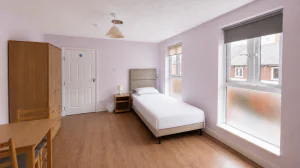
Accommodation and meals are included, as is clinical oversight throughout your stay. Some facilities offer private rooms, which can increase both comfort and cost. The expertise of medical professionals and staff qualifications can also influence both the quality and cost of care.
This is exactly why residential care sits at the higher end of the cost range. Inpatient care is significantly more expensive than outpatient care due to round-the-clock supervision, accommodation, and all meals being provided. Inpatient rehab typically costs between £1,500 and £6000 per week depending on the facility, with average costs around £1,500 to £2,000 per week. A typical 28-day rehab program costs around £8000 to £18,000, and extended treatment (such as 60 or 90 days) will increase overall costs. Inpatient programmes are considered the most effective treatment for drug addiction and increase your chances of maintaining long-term sobriety once you leave.
Outpatient rehab
Outpatient rehab allows you to live at home while attending scheduled therapy sessions during the week. Private outpatient rehab is an option for those seeking flexible, personalised care without the need for residential stay. The clinical input can range from a few hours of therapy to more structured day programmes, but it largely depends on what’s needed.
Cognitive behavioural therapy (CBT) is a common approach used in outpatient rehab programmes, helping individuals understand and modify thought patterns and behaviours related to addiction. Outpatient treatment allows individuals to live at home and attend therapy sessions part-time, making it a more cost-effective choice.
Outpatient rehab programmes generally run for 12 weeks and can cost between £1,200 and £6,000, depending on session intensity and therapy type. Individual outpatient treatment sessions usually range between £100 to £200 per session, depending on intensity.
This option is better suited for people who’ve been diagnosed with a mild to moderate dependence, where the home environment is stable and detox risk is low. Because there are no accommodation or round-the-clock staffing costs, outpatient is considerably less expensive than residential care.
Luxury residential rehab
In terms of treatment, luxury rehab centres follow a similar framework as standard inpatient treatment options, but come with upgraded features. Luxury rehab facilities typically offer private rooms, exclusive amenities, and additional therapies such as art therapy as part of their premium services. Rehab prices vary significantly between standard and luxury rehab centres; while standard private rehab may start from around £4,500 per week, luxury rehab centres can charge anywhere between £10,000 to £20,000 per week. The higher price reflects these add-ons and enhanced comfort rather than a different clinical approach.
Remember, though, choosing between these settings is determined by clinical assessment and risk level. The focus should be on what will give you the best chance of sustained recovery, not necessarily which one you like the idea of.
How much does addiction rehab cost?
Now that we’ve cleared up the different types of rehab, naturally, the next question is how much they cost. When considering addiction rehab costs, it’s important to understand the range of rehab treatment options, the type of rehab facility, and the variety of rehab services available.
For a standard, private residential stay, prices typically sit between £4,500 and £8,000 per week. A 28-day treatment programme usually falls somewhere between £8,000 and £18,000, depending on the complexity of the programme, the rehab facility’s location, and the level of care provided by addiction specialists.
If you’re looking at the higher-end or luxury facilities, weekly costs can exceed £9000, where enhanced privacy and additional therapies are included.
Outpatient rehab treatment is generally more affordable, averaging between £600 and £1,200 per week, if taken with a private provider. Residential rehabilitation programmes for people with severe substance abuse issues tend to be more expensive than outpatient ones due to the intensity of care and 24/7 support.
One question that comes up regularly is whether different types of addiction recovery programmes cost more than others. For example, someone may ask if alcohol rehab costs more than drug rehab, and these are valid questions to ask.
Alcohol addiction treatment and drug treatment may have different requirements and costs, especially if medically assisted detox or detox medication is needed to manage withdrawal symptoms safely under professional supervision.
It’s usually determined by the level of medical supervision and therapeutic intensity required rather than the specific substance involved. Medically assisted detox, overseen by addiction specialists, can increase costs due to the need for detox medication and close monitoring of withdrawal symptoms.
But, that said, there are examples where certain types of addictions could incur more of a cost. One example is a severe alcohol dependence, where the requirement of medical detox can increase the short-term costs because of the monitoring and medication involved.
It’s also worth knowing that exact fees are normally confirmed following an initial assessment. This assessment helps determine the most suitable treatment programme and ensures the right level of care is provided for your needs.
When it comes to funding rehab, there are three main options in the UK: self-funding, government funding (such as NHS services), or private health insurance. Self-funding rehab allows for immediate access to treatment without delays associated with insurance or NHS waiting lists. The NHS provides addiction services at no cost, offering assessment, therapy, and some aftercare services, but may involve waiting lists. Private health insurance may cover some or all of the costs of rehab, depending on your policy. Many rehab facilities offer payment plans that allow patients to pay for treatment in smaller amounts over time. Additionally, local drug and alcohol services may offer subsidised or free programmes for qualified individuals.
Aftercare services are an important part of rehab services and can include follow-up therapy sessions, regular check-ins, and access to support groups. Many rehab facilities include aftercare as part of the treatment package to support long-term recovery, though some may charge additional fees for these services. Effective aftercare can significantly reduce the risk of relapse after rehab treatment, and investing in effective rehabilitation can lead to significant long-term cost reductions.
Private rehab options typically require upfront payment or subsidisation from private insurance.
If you’d like to understand what treatment at PCP would cost for your specific situation, contact us today for a free, confidential conversation. There’s no obligation to commit to anything on the call.
Here are our live Google Reviews!
PCP - Get help with your addiction to alcohol drugs gaming gambling codependency
What other factors go into the cost of rehab?
If you’ve started comparing prices between different providers, you’ve probably noticed that the quotes you’ve received vary. This is because of the reasons that we’ve mentioned earlier but also other aspects are involved. Understanding them can help you make sense of the numbers you’re seeing:
Length of stay – This is one of the most obvious aspects of cost. A 28-day programme will naturally cost more than a 7-day detox and some people need longer stays depending on how complex their situation is. The length of treatment isn’t arbitrary and guided by clinical need.
Whether detox is required – This also has a large impact on price. If your substance use requires medically supervised withdrawal before therapy can begin, then this adds in clinical hours and medication costs on top of the base cost.
Room type – Shared accommodation is typically cheaper than private rooms, which are considered an upscale feature in many private rehab centres and luxury rehabilitation centres. Private rooms offer more comfort and privacy, but they also increase rehab prices. Some rehab facilities will offer both options within the same programme. It helps to specify which type of accommodation you prefer when asking for a quote, as this helps get a clearer understanding of total costs.
Location – Rehab facilities and rehab centres in major cities, such as London, tend to be more expensive than those in rural areas due to higher operating costs. Providers outside of those areas can sometimes offer comparable clinical care at a lower price point.
Clinical complexity – If you’re living with a co-occurring mental health condition alongside a substance use disorder, treatment needs to address both. This requires additional clinical expertise and time, which can affect the overall cost.
Staff qualifications and expertise – The number and qualifications of medical professionals, such as doctors, nurses, and psychotherapists, at a rehab facility can influence the overall cost. Facilities with more highly qualified staff may charge higher rehab prices due to the level of care provided.
Private rehab centres and rehabilitation centres may offer a range of amenities, such as private rooms, and varying levels of staff expertise, which can affect costs and the overall experience.
If you’re unsure about what level of care you, or a loved one, would need, speaking to an addiction specialist can help clarify things. PCP offers free and confidential conversations in order to get a clearer picture of what treatment would look like for you.
Can you get free rehab in the UK?
This is another question that we see being asked a lot, too, and information on this topic is something everyone should have access to.
Free addiction treatment is available in the UK through the NHS and local authority services, often referred to as nhs rehab. Access to these types of services is arranged through a GP referral or by contacting your local drug and alcohol team directly.
Government funding and charity-funded rehabilitation are available for those who cannot afford private care, often providing high-level care at reduced rates supported by grants and community assistance. Free drug and alcohol rehab programmes are also available through local services and government support.
The NHS provides addiction services at no cost, offering assessment, therapy, and some aftercare services. Unfortunately, there are some drawbacks to this service. While there’s no issue with the quality of care that the NHS provides, many areas suffer from a high demand and assessment processes can take long periods of time.
Also, residential placements funded through the NHS are usually reserved for people with serious clinical risk or complex needs. This means approval may require a formal assessment and care plan before anything can be confirmed.
If you’re in the midst of a battle with addiction, this period of time can be the most challenging to wait out.
NHS services are primarily community-based, which means you’ll continue living at home while attending scheduled appointments. The intensity of support and the speed of admission can differ from what’s available through private residential care. Still, services are delivered by qualified professionals and follow national clinical guidelines.
In addition to statutory services, peer-support groups like Alcoholics Anonymous, local support groups, and Smart Recovery operate across the UK. They can provide ongoing community support alongside any formal treatment you take with the NHS. These groups are free to attend and don’t require a referral.
Will private health insurance cover the cost of rehab?
Private health insurance can cover private rehab treatment for addiction in some cases, but whether you’re eligible depends entirely on your individual policy. Many insurers will only provide cover if the policy was active before the condition developed, meaning pre-existing substance misuse may be excluded.
Private rehab options typically require upfront payment or subsidisation from private insurance, and the extent of coverage depends on your policy. Most providers also require formal authorisation before admission, which can involve a clinical assessment and confirmation that residential treatment is medically necessary.
Cover limits may also apply, including caps on length of stay or daily rates. Some policies will fund drug detox or alcohol detox, as well as short-term stabilisation, but not extended residential programmes.
It’s also worth noting that taking out a new policy after an addiction has already developed is unlikely to result in immediate cover. Insurers will usually review your medical history before approving claims.
If you’re thinking about using insurance to fund treatment, it’s worth checking your policy wording carefully and confirming exactly what level of care is included before admission. If you’re unsure how to deal with this, our team at PCP can help you understand the ins and outs of what’s required at this stage.
The Main Takeaways
We understand that this is a lot of information to take in, especially when you’re already dealing with a difficult situation. With this in mind, we’ve put together a main takeaway section. Feel free to print these off or write the key areas down to help you make a decision that has you in mind.
The cost of private rehab in the UK depends on the type of treatment and the level of clinical support required.
Standard residential programmes typically fall between £8,000 and £18,000 for 28 days, with outpatient options available at a lower cost for those whose situation allows it.
Free treatment is available through the NHS, although access varies by region, and the setting is usually community-based rather than residential.
Private rehab offers structured residential care with the option of immediate admission following assessment.
Deciding between NHS and private treatment usually comes down to clinical urgency and personal circumstances.
If you’re considering private care, most providers will carry out a confidential assessment to determine the appropriate level of support and give you a clear breakdown of costs before admission.
Many rehab facilities include aftercare services as part of the treatment package, which are essential for supporting your recovery journey and promoting long-term recovery.
Effective treatment and professional support from qualified staff are key factors in achieving sustained recovery.
If you’d like to talk through your options, PCP offers a free consultation where a member of our team can answer your questions and help you understand what the next step looks like.
Frequently asked questions
How much does 28-day rehab cost in the UK?
A standard 28-day private residential rehab programme in the UK typically costs between £8,000 and £18,000. The exact price depends on clinical complexity, need for detox, staffing levels and location. A formal assessment is usually required to confirm the appropriate level of care and provide an accurate quotation.
Is alcohol rehab cheaper than drug rehab?
In most cases, alcohol and drug rehab cost similar amounts. Pricing is generally based on the level of medical supervision and therapeutic intensity required rather than the specific substance involved. Severe alcohol dependence requiring medical detox may increase short-term costs due to monitoring and medication.
Can I pay for rehab monthly?
Some private providers offer staged payment plans or allow payment in instalments, depending on the length of stay. Others may require full payment before admission. Terms vary by provider, and payment options are usually discussed during the admissions assessment process.
Can the NHS send me to private rehab?
In certain cases, NHS or local authority services may fund a placement at a private residential clinic. This typically requires a formal assessment and is usually reserved for individuals with complex or high-risk clinical needs. Availability depends on local funding policies.
How long do people stay in rehab?
Residential rehab programmes commonly last 28 days, although some individuals may require 6 to 12 weeks depending on risk level, relapse history and co-occurring mental health conditions. The recommended length of stay is determined following clinical assessment.
Is private rehab worth the cost?
The value of private rehab depends on clinical urgency, treatment needs and personal circumstances. Residential treatment provides structured, intensive support with immediate admission following assessment. For individuals requiring medical detox or 24-hour supervision, this level of care may be clinically appropriate.
Rehab Today by PCP - Get help with your addiction to alcohol drugs gaming gambling codependency
Authors
-
View all posts
Dr Otulana is PCP’s longest-serving doctor. He is an experienced Physician with Specialist Interest in Substance Misuse Management and he has a wide range of experience in the assessment and management (including detoxification) of clients with various drug and substance addiction problems. Dr Otulana started practising as a doctor in 2000 and with over 10 years as an Addiction Physician. He is an Advanced Addiction Practitioner Member of Addiction Professionals and also holds the Certificate in Clinical Psychopharmacology (Part 1) of the British Association for Psychopharmacology. He is additionally a strong healthcare services professional with a Master of Business Administration (M.B.A.) degree from Cambridge University Judge Business School.
-
View all posts
Andy's journey in psychology and substance recovery is marked by significant educational and professional achievements. He studied Person Centered Counseling, gained insights from psychological literature, and completed an online course on the mind. His hands-on experience includes volunteering at a Drug and Alcohol Clinic and earning a diploma in child adverse experiences. Andy holds a first-class honors degree in Psychology with Substance Use and Misuse. Professionally, he has contributed as a Lived Experience Coordinator and counselor, offering hope and empowerment to those in recovery.
Qualifications and Experience:
Introductory Course in Person Centered Counseling
Extensive study of psychological literature (including Carl Rogers and Freud)
Online course completion on the Mind from UCT
OCN peer mentoring course
Level 3 diploma in child adverse experiences
First-class honors degree in Psychology with Substance Use and Misuse
Experienced Lived Experience Coordinator for Probation Dependency and Recovery service