


Addiction never looks the way most people expect it to. The version that most people are familiar with is the extreme end, like rock-bottom moments and a life that has visibly fallen apart. While this version of addiction is certainly true, it sits at one end of a much bigger spectrum.
The reality is that many people living with addiction are still holding down jobs and maintaining their relationships. You wouldn’t be able to tell just by looking at them, but even so, the signs are certainly there. Addiction manifests through a combination of physical, behavioral, and psychological indicators.
This page covers the common signs and symptoms of addiction, along with guidance on when to seek professional support. Addiction can significantly affect a person’s life, including their health, relationships, and daily functioning.
What is Addiction?
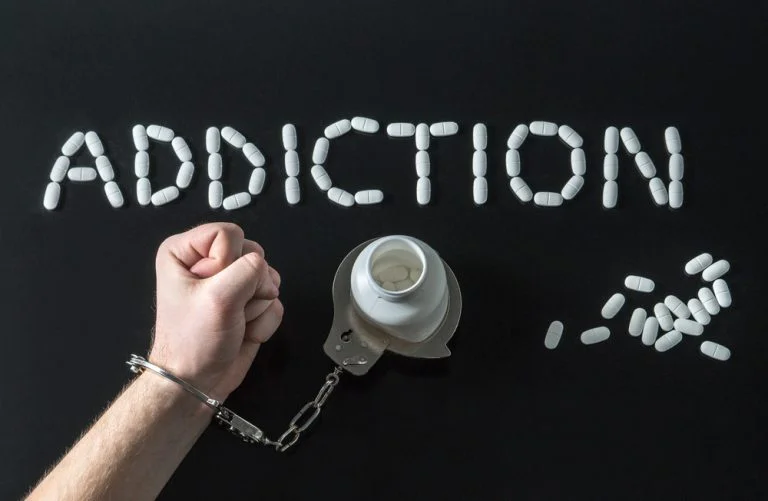
Addiction is a complex condition and it doesn’t develop in the same way for everyone. It’s also not a matter of ‘poor choices’ or ‘weak willpower’, which is the misconception shared by so many. Drug addiction, like other forms of addiction, involves compulsive use of an addiction substance despite harmful consequences.
If we were to look at addiction from a neurological standpoint, we’d see that it involves strong changes to how the brain processes reward and motivation, as well as the inability to self-govern. Repeated use of an addiction substance causes physical changes to nerve cells in the brain, affecting pleasure, motivation, and neurotransmitter communication. These changes can sometimes last long after drug use stops.
Once those changes are ingrained in daily life, resisting the urge to use becomes harder, even when you’re fully aware of the consequences.
To be officially diagnosed with an addiction, clinicians will use the DSM-5, a diagnostic manual that helps them understand when a person’s relationship with a substance has moved into a disorder. Healthcare providers use DSM-5 criteria to diagnose mental disorders, including substance use disorders, by assessing the severity and impact of the condition.
This is based on specific patterns and behaviours, with the criteria including, but not limited to:
Taking more of the substance than intended
Unsuccessful efforts to stop using
Strong cravings
Giving up important activities to use
Experiencing withdrawal symptoms when stopping
These patterns are common across various addiction substances.
A diagnosis of addiction is then made based on the number of criteria met within a 12 month period.
Of course, not every addiction involves a substance, either, as behavioural addictions like gambling and compulsive gaming are also included in the DSM-5.
Common Signs and Symptoms of Addiction
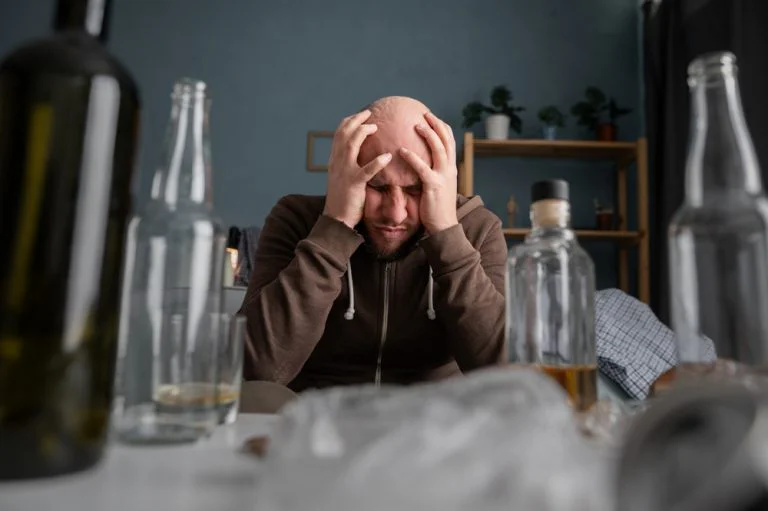
If you’re looking out for signs of addiction, most would automatically look for the obvious signs, like the ones we can see with our own eyes. But the signs of addiction are much more than what can be observed, and we also need to focus on behavioural and psychological signs. Recognising specific behavioural characteristics and behavioural signs, such as secretiveness, changes in social behaviour, or neglect of responsibilities—is crucial for identifying addiction early.
If you’re noticing patterns across more than one area, it’s something that’s worth taking seriously. Noticing these signs early can help prevent negative or harmful consequences that addiction can have on a person’s life.
In this section, we focus on the key signs in the three main areas
Physical symptoms of addiction
Our bodies have a habit of reflecting what is happening before the person themselves is ready to acknowledge it. This can be useful, especially if you’re concerned about someone you love or perhaps aren’t sure where you stand with your own relationship to drugs or alcohol. Monitoring alcohol consumption and being aware of physical signs—such as changes in appearance or behaviour—can help identify early signs of addiction.
Here are the key signs:
Tolerance
If you find that increasingly larger amounts of a substance are needed to feel the same effect, this is something worth noting. PMC states that rising tolerance is one of the earliest indicators that the brain’s reward system is adapting to regular use. It can happen slowly, which is why many people miss the early signs. Physical addiction appears to occur when repeated use of a drug changes the way your brain feels pleasure.
Withdrawal
Uncomfortable physical symptoms that appear when use stops can be one of the clearest signals that dependence has developed.
What these look like depends on the substance; for example, the NIH shows that alcohol withdrawals can involve sweating and tremors, and in more severe cases, seizures. Opioid withdrawal can to produce intense flu-like symptoms that can last for days. Cocaine withdrawal is different again, presenting more as extreme fatigue and low mood, alongside disrupted sleep.
If you’ve experienced any of these after a period of not using, your body is telling you something important.
Physical indicators of addiction include changes in appearance, weight fluctuations, eye and pupil changes, skin and physical abrasions, respiratory issues, sleep pattern disturbances, and symptoms of withdrawal.
Changes in sleep
Disrupted sleep is common across most substance addictions and it can go in either direction. Stimulants like cocaine can keep you awake for unnaturally long periods, while depressants like alcohol can cause drowsiness initially but cause REM sleep issues once they wear off. If your sleep pattern has changed noticeably since your substance use increased, that connection is worth paying attention to. Depressants such as benzodiazepines and alcohol can also lead to slurred speech, a staggering walk, and confusion.
Changes in appetite and weight
Stimulant use is frequently linked to significant weight loss, while other substances can increase appetite and lead to weight gain. What ties these together is that nutrition starts to fall down the priority list as substance use takes up more space in your life. Stimulants such as cocaine and meth produce hyperactivity, dilated pupils, and lack of appetite. Marijuana use may result in red eyes, dry mouth, and slow reaction time.
Deterioration in physical appearance
This is one that other people tend to notice before you do. A decline in hygiene and grooming, bloodshot eyes, pale skin, and an overall look of exhaustion are all common. For those using intravenous drugs, track marks on the arms may also be visible. Appearance changes related to addiction can include neglect of personal hygiene, unkempt clothing, and a sudden disinterest in grooming.
Frequent illness
Chronic substance use puts real strain on the immune system, and if you’re getting ill more than usual, it could be due to the direct effects of the substance addiction. For example, the NHS states that the poor quality of sleep during alcohol abuse can weaken the immune system, just in the same way as bad nutrition can.
Immediate warning signs of severe addiction
Immediate warning signs of severe addiction include changes in consciousness, difficulty breathing, and seizures. These symptoms require emergency medical help.
Opioids, including heroin, opioid painkillers, and prescription painkillers such as hydrocodone, oxycodone, and codeine, are narcotic, painkilling drugs produced from opium or made synthetically. They can cause sedation, pinpoint pupils, and slurred speech. The opioid epidemic has highlighted the risks of addiction and withdrawal symptoms associated with both prescribed and illicit opioid use.
Crack cocaine, a potent stimulant, appears as whitish or yellowish rocks and is known for its intense effects and high potential for addiction.
Certain club drugs, such as GHB and flunitrazepam, can cause sedation, confusion, and memory loss, especially when used in social settings.
Behavioural signs of Addiction

Behavioural changes are usually the signs that the people around you pick up on first, sometimes before you’ve recognised them yourself. Common behavioural indicators of addiction include increased secrecy and isolation, neglecting responsibilities, loss of interest in previously valued activities, financial issues, mood swings, changing social circles, and engaging in risky behaviours.
Pulling away from others
According to Frontiers research, someone developing an addiction will usually start to withdraw from the people closest to them. They might become evasive about where they’ve been or how they’re spending their money. This can happen gradually, which is part of what makes it easy to explain away at first. Common behavioural shifts include increased secrecy, social isolation, and a loss of control over the addictive behaviour.
Lying about whereabouts or consumption
Lying about whereabouts, absences, or consumption habits is a common sign of addiction, as individuals may try to hide the extent of their substance use from others.
Neglecting responsibilities
If someone is suffering from an addiction, they may start to become less reliable with everyday tasks. For example, work performance can drop, along with commitments at home becoming harder to keep.
These aspects aren’t necessarily dramatic on their own, but when they start accumulating into a pattern of unreliability that is out of character, that pattern is worth acknowledging.
Time revolving around the substance
When a large portion of someone’s day starts to centre around obtaining a substance and using it, then recovering from its effects, the things that used to matter start to fall away. Hobbies and relationships that were once important begin to take a back seat, and the substance becomes the thing that the day is structured around.
Failed attempts to cut down
This is one of the defining features of addiction. The person may have said they want to stop or reduce their use, maybe more than once, and found themselves unable to follow through. That gap between intention and action is what separates addiction from habit.
Risky or out-of-character behaviour
Substance use impairs judgement, and that can lead to decisions that the person wouldn’t have made before. This might look like driving under the influence or getting into situations they would normally avoid.
Stealing to support drug purchases
Stealing to support drug purchases is a behaviour often associated with addiction, as financial pressures mount and individuals seek ways to fund their substance use.
Financial problems
Maintaining an addiction is expensive, and the financial side of it usually catches up eventually. Borrowing that never gets repaid, or unexplained debts, are both signs that money is going somewhere it shouldn’t be.
Recognising these behavioural signs is crucial not only for early intervention but also for preventing drug misuse, especially among children and teenagers, as part of broader public health efforts.
Psychological and Emotional Symptoms
The psychological side of addiction can be harder to pin down because the changes don’t happen all at once, and they don’t always have an obvious link to substance use. But understanding these symptoms can help you connect the dots between how you’re feeling and what might be driving it.
Intense cravings
Intense cravings are a key psychological symptom of addiction, presenting as an overwhelming urge to use the substance that can occur unexpectedly or in response to specific cues. These cravings can be triggered by stress, familiar environments, or even just by seeing something you associate with use. They’re not a matter of willpower and reflect real neurological changes in the brain’s reward system, which is why they can feel so difficult to resist and can lead to relapse if not properly addressed during treatment.
Mood instability
Persistent low mood and heightened anxiety alongside irritability are common in people living with addiction. These can be caused by withdrawal between uses or by the psychological weight of carrying something that feels tough to address. Mental and emotional changes in addiction can also manifest as drastic mood swings, heightened anxiety or paranoia, and cognitive difficulties. What makes this difficult is that these mood changes can easily be attributed to life circumstances rather than the substance use behind them.
Denial
Many people with addiction genuinely don’t recognise how far things have gone, or they minimise it when someone raises the concern. This isn’t always deliberate dishonesty, and addiction denial is a recognised psychological defence mechanism. It’s also one of the main reasons people put off seeking help for as long as they do.
Anxiety and depression
There’s a well-established relationship between addiction and mental health conditions, known as dual diagnosis. Substances can trigger or worsen anxiety and depression, and mental health difficulties can drive people toward substance use in the first place. The two can feed into each other, which is why the most effective treatment approaches address both at the same time. Psychological harm is also a consequence of substance use, impacting an individual’s mental health, decision-making, and overall well-being.
Early warning Signs of Substance Use Disorder
By the time addiction is clearly visible, it has usually been developing for a while. The earlier stages are subtler and easier to rationalise, but they’re also the ones worth paying attention to before the pattern becomes entrenched. Alcohol use disorder is a common condition affecting many adults in the UK, and recognising the early signs is crucial for seeking help from specialised addiction treatment facilities.
Here are some of the early signs to look out for:
Drinking or using more than you intended on a regular basis
Using a substance to manage stress consistently rather than occasionally
Thinking about the substance more than feels normal
Becoming defensive when someone raises concerns about your use
Noticing that the same amount no longer has the same effect
Experiencing discomfort like anxiety when you haven’t used
Finding excuses to use more frequently than before
Engaging in drug use or combining substances with other drugs or alcohol, which can increase risks and complications
Developing tolerance, where you need more of the substance to achieve the same effect, is a common feature of addiction. It’s important to understand that a habit is a repetitive behaviour that can be controlled and voluntarily stopped without much distress, whereas addiction involves a loss of control. Continued substance use can cause serious problems in every aspect of life, leading to negative or harmful consequences for your health, relationships, work, and finances.
If you’re concerned about your alcohol consumption and want to know more about your relationship with alcohol, you can take our quick online alcohol quiz.
None of these signs confirms addiction on their own, but if several of them feel familiar, they deserve honest attention rather than being brushed aside.
Signs of Addiction in a loved one
Recognising addiction in someone close to you can come with a lot of self-doubt. You might question whether things are really that bad or whether raising it will make the situation worse. If you’re in that position right now, you’re not alone in feeling unsure about what to do.
Research from Science Direct suggests that family members are frequently the first to notice that something has changed, but they can sit on that concern for a long time before doing anything about it.
The questions below are designed to help you assess what you’ve been seeing. They’re not a diagnostic tool, but answering them honestly can help bring some clarity to a situation that might feel confusing right now.
Have you noticed a change in their personality that feels out of character?
Have they become more withdrawn than they used to be?
Are they cancelling plans or breaking commitments more than usual?
Have they become evasive about where their money is going?
Have they become secretive about where they’ve been?
Have you noticed unexplained weight loss?
Has their appearance visibly declined?
Are they spending less time with the people closest to them?
Have they started spending time with a new group of people you don’t know?
Do they react defensively when their substance use is mentioned?
Addiction can impact every aspect of a person’s life, including their social life, emotional and physical wellbeing, financial health, and family relationships. Community support groups like AA and other support groups or addiction helplines can also be valuable for individuals to connect, share experiences, and learn new coping strategies.
If you found yourself answering yes to several of these, that doesn’t confirm your loved one has an addiction, but it does suggest that something has changed and that the concern you’re carrying is grounded in something real.
Approaching the conversation with care and genuine concern rather than accusation tends to be the most productive starting point. The first conversation may not go well, but what matters is that the door has been opened.
If you’re worried about approaching your loved one, or have tried in the past but were unsuccessful, your situation may benefit from an intervention.
For more information on what an intervention is and where to begin, call us directly for a confidential chat about your options. If you or a loved one struggle with substance misuse or aggression, or if you’re concerned about problematic use, seeking help from a mental health professional can provide guidance and support.
When to seek Professional Help

There’s no single threshold that determines when professional input is needed, but there are indicators that make it the right step. If use has continued despite attempts to stop, if withdrawal symptoms have appeared, or if daily life has started to suffer as a direct result of substance use, professional support is worth pursuing sooner rather than later. Consulting providers trained in addiction medicine is important for effective treatment and long-term recovery. The recovery process begins as soon as you seek help, so acting early can make a significant difference.
The same applies when mental health is involved. Addiction and mental health conditions frequently occur together, and when they do, addressing one without the other tends to leave the pattern intact.
For those in immediate distress or experiencing severe withdrawal, medical support should be accessed straight away. Withdrawal from alcohol and certain sedatives can become medically serious and should not be managed alone. In the UK, call 999 for emergencies or 111 for urgent medical advice.
If the situation feels less acute but still concerning, a confidential conversation with an addiction specialist is a good starting point. Many people avoid getting help because they believe their problem isn’t serious enough or they aren’t truly addicted, but the sooner you seek help, the greater your chances for long-term recovery.
Help from your health care provider, family, friends, support groups or an organized treatment program can help you overcome your drug addiction and stay drug-free. A personalised treatment plan developed by medical staff will assess the severity of your addiction and recommend the most suitable care. Inpatient treatment is usually recommended for people who have a moderate to severe substance use disorder, while outpatient care is often recommended for those with a mild substance use disorder and a safe home environment in which to recover.
It doesn’t require a firm decision upfront; rather, it opens up an understanding of what the options look like.
Treatment options for Addiction
Addiction treatment is structured around the person, not a fixed programme. Different circumstances call for different levels of support, and a clinical assessment helps determine what’s appropriate. Treatment generally takes one of two forms.
Inpatient treatment involves staying at a residential facility where medical and therapeutic support is available around the clock. It removes you from your usual environment and the triggers associated with it.
Outpatient treatment allows you to attend structured sessions while continuing to live at home. It offers more flexibility for those with work or family responsibilities and can work well when the level of dependence is assessed as lower, or as a step-down following inpatient care.
Within either setting, treatment typically includes medically supervised drug or alcohol detox where substances are involved, followed by evidence-based therapies like:
Cognitive behavioural therapy (CBT)
Motivational interviewing
Relapse prevention work
Remember, you don’t need to arrive at this point feeling certain about what you want or what should happen next. Many people reach out to talk things through and understand their options without making any immediate decisions.
At PCP, that starting point is a confidential assessment that helps build a clearer understanding of your situation. Contact us today, and a member of our team will be more than happy to answer any questions you may have about yourself or your loved one.