


You may have heard of rehabilitation centres referenced on television and in movies, but how much do you know about rehabilitation services and the types of treatment that they provide? In this article, we’re going to define precisely what a rehab centre is, outline the rehabilitation process, and share an example or two of the different types of rehabilitation facilities and their clinical purposes. Understanding what a rehabilitation centre is and how it functions is essential for making informed decisions and maximising the effectiveness of treatment.
Rehab Centre Meaning
Rehabilitation centres (rehab centres) are safe, structured places where people get professional help to overcome alcohol or drug addiction. In rehab, you receive medical care, counselling, and daily support so you can stop using substances safely, understand the reasons behind your addiction, and learn healthier ways to cope.
What Rehabilitation Means: Addiction, Mental Health, Illness & Recovery
The official definition of the word ‘rehabilitation‘ is: the action of restoring someone to health or normal life through training and therapy after imprisonment, addiction, or illness.
The broader definition of a rehab centre can include people who have suffered brain injury, people who have been injured resulting in various disabilities (e.g., physical therapy), and any other types of trauma or disease that has resulted in a person being unable to live their lives as before the incident. Rehabilitation aims to improve functioning and help individuals regain independence, addressing the challenges caused by disability, disease, or injury.
A person will spend time in therapy and undergoing various treatments and therapies until they can carry out everyday activities unassisted. Depending on the patient’s condition, intensive care may be required, with the goal of restoring functioning and independence as key outcomes.
Rehab treatment is crucial in the recovery process as it encompasses detoxification, rehabilitation, and aftercare, providing personalized support and structured programs to help individuals overcome addiction.
In this case however, we are referring to drug and alcohol rehabilitation facilities. As such, a drug rehab centre is a clinic that provides rehabilitation services, medical treatment, and psychiatric care in order to assist an individual in identifying the root cause of their addiction, come to terms with any underlying mental health issues that may have led to their addiction, and working on ways to cope with the symptoms of withdrawal with the ultimate goal of recovery through prolonged sobriety.
The Main Goals of Rehabilitation and Recovery Treatment
Rehabilitation aims to safely manage withdrawal, address physical and psychological dependence, and restore overall well-being. Treatment focuses on detoxification, stabilising health, and initiating behavioural change through evidence-based therapies such as cognitive behavioural therapy (CBT) and dialectical behavioural therapy (DBT).
Recovery treatment seeks to prevent relapse by developing coping strategies, supporting mental health, and rebuilding social and family relationships. A personalised approach ensures interventions target root causes and individual needs. Ongoing support, including group therapy and aftercare, is essential for sustained recovery. Integrating medical care with psychological and social support optimises outcomes.
Common Misunderstandings About Rehabilitation Centres
Many believe rehab centres guarantee immediate sobriety; however, recovery is a gradual process requiring ongoing effort. Some think detox alone cures addiction, but it only manages physical withdrawal. Others assume rehab is only for severe cases, yet early intervention improves outcomes.
There is a misconception that rehab is one-size-fits-all; effective treatment is personalised, addressing physical, psychological, and social factors. Additionally, some expect rehab to be purely medical, overlooking the importance of behavioural therapies and family support.
What Rehab Options Are Available for Addiction and Mental Health Support
No two rehabilitation centres are created equal and the scope and quality of services provided can vary significantly. The length of drug treatment can vary based on individual needs and the severity of addiction, with some requiring extended stays while others might opt for shorter programs. In many cases, rehabilitation services are provided for a limited period, depending on the individual’s needs and treatment goals. Let’s take a look at the different types of rehab centres.
Residential Rehabilitation Centres for Intensive Addiction Recovery
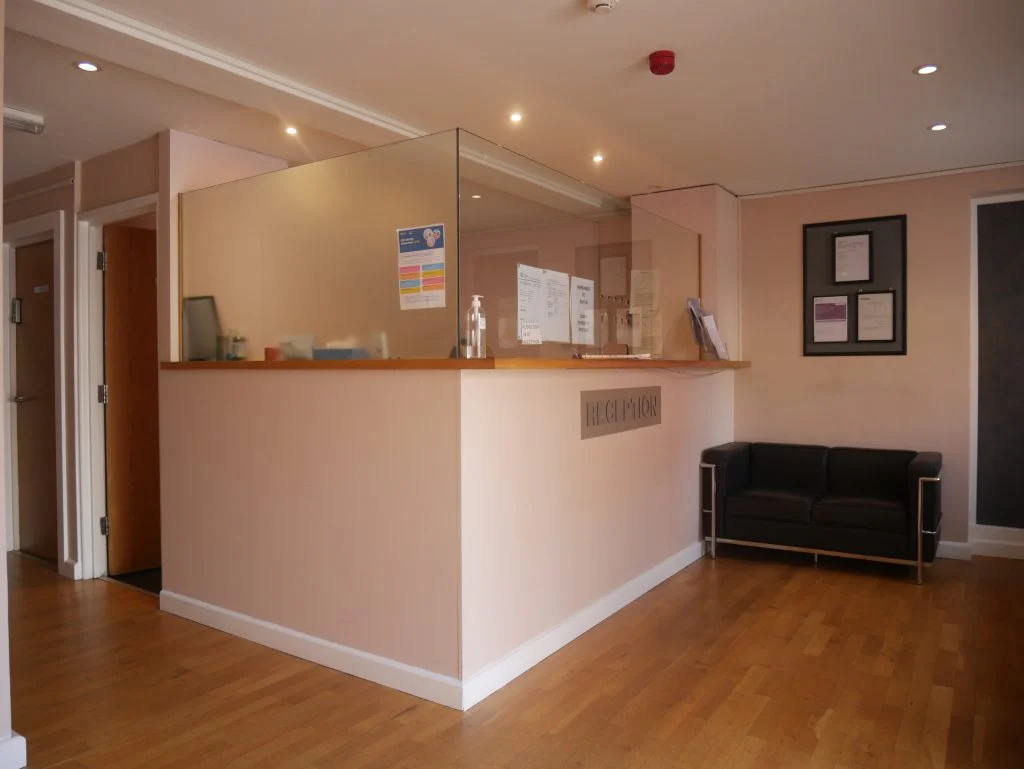
Residential rehab centre refers to facilities that offer inpatient rehab services. By inpatient it means that an individual is treated as a resident of the facility from anywhere between 30 and 90-days (sometimes longer depending on the facility and severity of the addiction). A rehabilitation hospital is a specialized inpatient facility focused on restoring patients’ physical and neurological functions after acute medical issues.
NHS-funded: NHS-funded facilities can refer to a hospital with a rehab centre or a public-funded facility where patients can join rehabilitation programmes for free (or partially funded). Some NHS-funded centres are rehabilitation hospitals, which may be part of or separate from acute care hospitals, providing targeted rehabilitation services for various medical conditions. Availability varies from city to city and the level of care offered can differ significantly from that offered in private institutions.
Private: Private rehab centres are private facilities that provide rehabilitation services to individuals who are in a position to pay for their treatment. Typically speaking, the level of care and attention provided in a private rehab centre is far superior to that in an NHS-funded hospital. As well-intentioned as public funded drug and alcohol rehabilitation programmes are, private institutions almost always have better medication, treatments plans, amenities, and staff – not to mention a far shorter wait time. (sometimes it can take years for a person to receive the proper care they need in a public rehab centre).
Depending on the quality and type, inside these residential facilities there will be a number of private rooms available (sometimes shared rooms and bunks), doctors and medical facilities, and various other rooms for occupational therapists to work, support groups to meet, and patients to relax and enjoy some normal daily activities, etc.
Outpatient Rehabilitation Programmes for Flexible Ongoing Support
Outpatient rehab centres are very different to inpatient or ‘residential’ rehabs. Outpatient provides a less restrictive programme and usually only require 10 to 12 hours a week, rather than the patient having to leave their homes and family to reside permanently for weeks and often months at a time.
The outpatient sessions focus on drug abuse education, while providing individual and group counselling alongside them. It’s about educating those who are addicted on how to better cope with life absent the drug they have been abusing.
An outpatient drug rehab and treatment plan is ideal for those who may have a mild addiction and are seeking more information. Alternatively, it can be used as part of a long-term treatment programme lasting from 3 to 6-months and sometimes over a year.
Some individuals prefer outpatient rehab because it allows them to remain with their loved ones and continue working to support their family members.
How Acute Rehabilitation Support Differs From Long-Term Recovery Programmes
Acute rehabilitation focuses on immediate detoxification and medical stabilization to safely manage withdrawal symptoms. It involves intensive monitoring, medication management, and short-term therapies to address physical dependence. Typically lasting 7 to 14 days, acute rehab prepares patients for subsequent treatment phases.
Long-term recovery programmes extend beyond detox, emphasizing behavioural therapies, relapse prevention, and psychosocial support over weeks to months. These programmes address underlying addiction causes, mental health comorbidities, and life skills development. They foster sustained abstinence through personalised treatment plans, including cognitive behavioural therapy, group therapy, and family involvement.
Advantages and Limitations of Residential and Outpatient Rehabilitation
Residential rehab offers 24/7 medical supervision, structured routines, and a controlled environment critical for managing withdrawal symptoms safely. It facilitates intensive therapies, including group sessions, holistic treatments, and personalised treatment plans, promoting lasting recovery. However, it requires temporary separation from home and can be costly.
Outpatient rehab provides flexibility, allowing patients to maintain daily responsibilities while accessing addiction counselling and support groups. It suits those with mild to moderate addiction or strong home support but may lack the comprehensive care necessary for severe cases.
Choosing between residential and outpatient rehab depends on addiction severity, co-occurring disorders, and individual circumstances. Combining both approaches often yields the best recovery outcomes.
Signs You May Need Professional Help to Recover From Addiction

Recognising the signs that you may need rehab is the first step towards recovery. If you’re struggling with drug or alcohol addiction and find it difficult to stop or control your use, it may be time to consider professional help. Experiencing withdrawal symptoms when you try to quit is another strong indicator that rehab could provide the safe and supportive environment you need to manage these symptoms effectively.
Have you tried to quit or cut back on your own but haven’t been successful? Rehab centres offer the structure and support necessary to overcome addiction. Additionally, if your addiction is causing physical or mental health problems, rehab can provide the medical attention and therapy required for recovery.
Struggling with relationships or responsibilities at work or school due to your addiction is another sign that rehab might be beneficial. A rehabilitation centre can offer the guidance and support needed to get your life back on track and help you rebuild those important aspects of your life. The benefits of rehab include improved health, stronger relationships, and the ability to return to employment. One key benefit of rehabilitation is that it prepares individuals for employment or helps them re-enter the workforce, supporting greater independence and overall well-being.
What Happens During an Assessment at a Rehabilitation Centre
Upon admission to a rehab center, a comprehensive assessment evaluates your physical health, substance use history, mental health status, and social circumstances. Medical care includes screening for withdrawal risks and co-occurring disorders. This process informs personalised treatment options tailored to your unique needs, including detox protocols and therapy plans such as cognitive behavioural therapy and dialectical behavioural therapy.
Family therapy may also be incorporated to support recovery. The assessment ensures safe, effective management of harmful substances and sets the foundation for your recovery journey. Notably, early intervention during assessment improves long-term outcomes significantly.
How the Rehabilitation Process Supports Recovery From Addiction
The rehabilitation process is a comprehensive journey that begins with detoxification. During this initial phase, individuals are medically managed to safely withdraw from the substance they are addicted to. Often, rehabilitation follows acute medical events or injuries, requiring immediate stabilization and addressing urgent health concerns before ongoing therapy can begin. This is a crucial step to ensure that the body is cleansed of harmful substances in a controlled and safe manner.
Following detoxification, the focus shifts to rehabilitation, which involves a combination of counselling, therapy, and education to address the underlying issues contributing to addiction. Rehabilitation specialists work to reduce pain and discomfort as part of restoring function and improving quality of life. Cognitive-behavioural therapy (CBT), group therapy, and individual counselling are commonly used to help individuals understand and change their behaviour patterns.
The rehabilitation process is highly personalized, tailored to meet the unique needs and circumstances of each individual. It is essential to develop specific treatment plans that address personal needs, with comprehensive assessments by professionals to determine the most appropriate approach. This flexibility allows for adjustments to be made to the treatment plan as needed, ensuring the best possible outcomes. Residential rehab provides a supportive environment where individuals can focus entirely on their recovery, with 24/7 support and guidance from trained staff.
Addiction and Mental Health Treatments Provided by Rehabilitation Centres
The treatments offered by rehab centres varies from place to place. Not only that, but typically, a rehab centre will tailor the treatment plan to the individual – often involving a mixed-bag of the following treatments. Rehabilitation centres address a wide range of addictions, mental health disorders, and illnesses, providing comprehensive care for individuals with complex needs.
The National Rehabilitation Centre (NRC) recently received government approval for a significant project involving a new purpose-built facility. This facility will be integrated within the Government’s New Hospital Programme and is anticipated to open soon for patient care.
Hospital rehab
Inpatient treatment
Outpatient treatment
Detoxification
Cognitive behavioural therapy
Rational emotive behaviour therapy
Contingency management
12-step programmes
Medication
Medicine and physicians play a crucial role in the rehabilitation process, offering medical expertise and oversight to ensure safe and effective treatment for patients with addictions, disorders, and other illnesses.
Rehabilitation research is essential for developing new treatments and improving outcomes for patients, driving innovation in assistive technologies and rehabilitation engineering.
How Rehabilitation Centres Support Dual Diagnosis Recovery
Rehabilitation centres provide integrated treatment for dual diagnosis, addressing both substance misuse and co-occurring mental health disorders simultaneously. Initial assessment identifies psychiatric conditions alongside addiction severity. Medical detox is supervised to manage withdrawal safely, considering psychiatric medications.
Therapy includes evidence-based approaches such as cognitive behavioural therapy (CBT) and dialectical behavioural therapy (DBT), targeting both addiction and mental health symptoms. Multidisciplinary teams ensure coordinated care, including psychiatrists, psychologists, and addiction specialists. Family involvement and aftercare planning support sustained recovery. Early identification and treatment of dual diagnosis reduce relapse risk and improve functional outcomes.
Aftercare Services That Help You Maintain Recovery After Rehab

Aftercare and support are critical components of the rehabilitation process, providing ongoing assistance to help individuals maintain sobriety. Aftercare can include regular check-ins with a therapist or counselor, support groups, and continued education and skills training to reinforce the lessons learned during rehab.
Many residential rehab centres offer aftercare and support services, including phone and online support, to help individuals stay on track after leaving the facility. Support groups, such as 12-step programs, provide a sense of community and accountability, which can be invaluable in maintaining long-term sobriety.
Ongoing support and guidance are essential in overcoming challenges and setbacks that may arise during the recovery journey. By participating in aftercare programs and support groups, individuals can continue to build on their progress and work towards a healthier, addiction-free life.
How We Recommend Choosing the Right Rehabilitation Centre Near You
Depending on your situation, finding a rehabilitation centre near you should be straightforward enough. First, speak with a close friend or family member about the nature of your addiction and let them know that you are in need of help and support. Following that, you can reach out to an addiction specialist to seek further advice. They can ask you questions about the severity of your addiction, find out more about your unique situation, and advise you accordingly. Access to rehabilitation centres can depend on available resources and funding in your area, which may affect the quality and availability of services.
For the best possible treatment and care, we strongly advise seeking out advice and treatment from a private rehab facility. That way you can avoid any unnecessary waiting lists, receive superior treatment, and have the greatest chance at successful recovery from your addiction. Rehabilitation often involves not only clinical staff but also other members of the community, such as social workers and support groups, to provide comprehensive care for persons seeking help.
We hope that you have found this article helpful and wish you the very best of luck.